
 By
By You’ve got a kitchen that needs gutting, two bathrooms stuck in the 1990s, and a vague plan to open up the wall between the living room and dining area someday. The contractor asks a simple question and you freeze: do you want to knock all of it out in one go, or handle a piece at a time? That single choice shapes your budget, your sanity, and the next couple of years of your life more than any tile or fixture will.
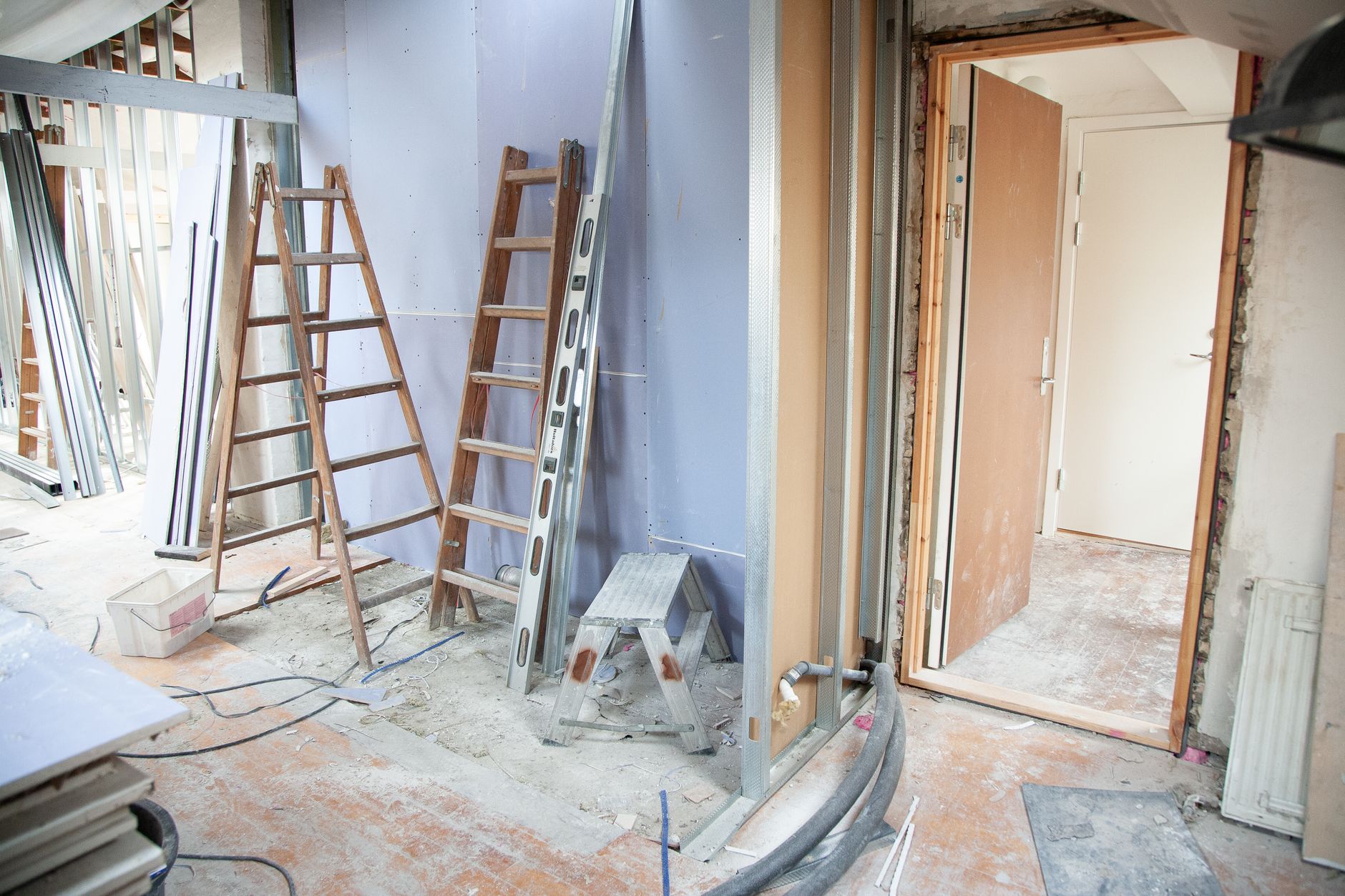
Which kind of homeowner are you, really?
Before you compare timelines, be honest about how you cope with an unfinished house. Some people can live in a jobsite for four straight months if it means they never have to think about it again. Others start twitching after two weeks of drywall dust and would rather stretch the pain out in tolerable doses. Neither instinct is wrong, but pretending you’re the first type when you’re really the second is how good projects turn miserable.
The pull of doing everything in a single push
A single-phase remodel has real advantages beyond just getting it over with. You lock in one set of prices before materials climb again. The crew mobilizes once, so you pay for setup, protection, and cleanup a single time instead of over and over. Design decisions stay coherent because you’re choosing finishes for the whole house at the same moment, not trying to match a floor you picked three years ago. And there’s the plain relief of coming out the other side with a finished home rather than a rolling to-do list.
When spreading the work across seasons pays off
Phasing wins when your money arrives in installments rather than a lump. Maybe you’ll have a bonus next spring, or a mortgage recast frees up cash in a year. Staging lets you fund each piece from actual dollars instead of borrowing against the whole thing. It also gives you time to live in the changes and rethink the next phase. Plenty of homeowners redesign their second-phase plans after discovering how they actually use the first finished space.
How your cash flow steers the decision
Look past the sticker total and study the shape of your money. A single large project usually means a construction loan or a home equity line, which brings interest, draws, and a lender watching the schedule. Phasing can often be paid from savings and income as you go, avoiding financing costs entirely. But phasing carries a hidden tax: repeated mobilization fees, and prices that drift upward between phases. Run both numbers. Sometimes the all-at-once loan costs less than three years of creeping material inflation.
Living through the mess: what each path demands of you
A whole-house remodel may push you out of the house entirely, or corral you into a few sealed-off rooms with a hot plate and a microwave. It’s intense but bounded. Phasing keeps you living in the home the whole time, with the disruption returning each season like a recurring guest. Think about kids, pets, remote work, and whether you can cook without a kitchen for weeks. The right answer often comes down to which flavor of inconvenience you can actually sustain.
Permits, inspections, and the paperwork that changes with phasing
Every phase that touches structure, electrical, or plumbing typically needs its own permit and its own round of inspections, so staged work multiplies the paperwork and the waiting. A single permit covering the full scope can be more efficient, though it also front-loads the plan review. Experienced builders like Inland Remodeling Construction can map which phases trigger which approvals and sequence the work so a later phase doesn’t require tearing out something you just permitted and finished. Ask about that sequencing early, because a poorly ordered phase plan can force expensive rework.
Matching the approach to your timeline and stress threshold
If you have a hard deadline, a growing family, or a low tolerance for prolonged disruption, the single push usually serves you better despite its concentrated intensity. If your funding trickles in, your plans are still evolving, or you simply can’t vacate, staging respects those limits. The best plan is the one you can finish without resentment or a stalled second phase gathering dust.
Sit down with your last two years of finances and your honest disruption limit, then bring both to a contractor and ask them to price the project both ways. Seeing the real numbers side by side will make the choice clearer than any gut feeling ever could.
